Best Time Of Year For Roof Inspections In Colorado
Seasonal roof inspections help Colorado homeowners identify hail damage, aging shingles, ventilation concerns, drainage problems, and exterior wear before small issues become expensive repairs.
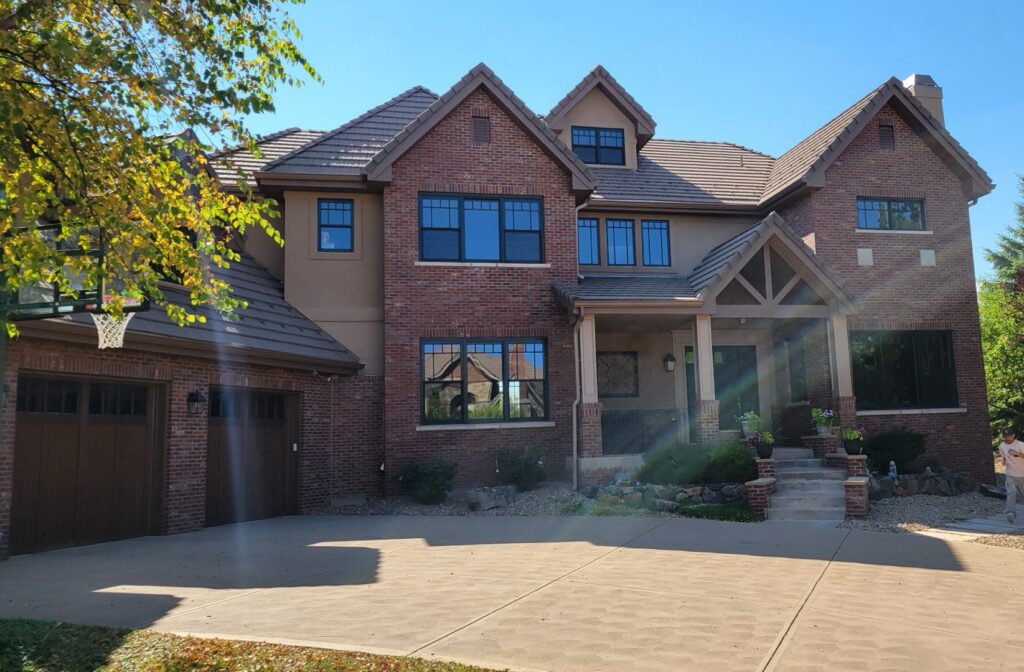
Colorado Roofs Need Inspections Throughout The Year
Colorado’s severe weather conditions create year-round stress on roofing systems. Seasonal inspections help identify storm damage, ventilation issues, drainage problems, and aging materials before larger repairs develop.
Colorado homes experience some of the harshest roofing conditions in the country. Between hailstorms, heavy snow loads, high winds, UV exposure, and dramatic temperature swings, roofing systems throughout Fort Collins, Broomfield, Firestone, Thornton, Louisville, and Castle Pines face constant weather-related stress.
Routine roof inspections help homeowners identify small problems early while extending roof lifespan and reducing long-term repair costs. But many homeowners wonder: when is the best time of year to schedule a roof inspection in Colorado?
Spring Roof Inspections
Spring is one of the most important seasons for roof inspections in Colorado. Winter snow accumulation, freeze-thaw cycles, and ice buildup often create hidden roofing damage that may not become visible until temperatures rise.
- Check for winter storm damage
- Identify ice dam concerns
- Inspect flashing & sealants
- Evaluate attic ventilation
- Assess gutter drainage systems
Spring inspections also help homeowners prepare for upcoming hail season across the Front Range.
Summer Roof Inspections
Summer is peak hail season throughout Colorado. Communities across Denver Metro and surrounding areas frequently experience severe thunderstorms capable of causing hidden roofing damage.
After major storms, professional inspections help identify hail impacts, granule loss, flashing damage, and compromised shingles before additional weather exposure worsens the problem.
Summer Inspections Often Identify
- Hidden hail damage
- Lifted or creased shingles
- UV deterioration
- Damaged gutters & siding
- Ventilation deficiencies
- Storm-related leaks
Fall Roof Inspections
Fall inspections are ideal for preparing roofing systems before Colorado winter weather arrives. Addressing repairs before snow season helps prevent moisture intrusion and emergency winter issues.
Fall inspections often focus on:
- Drainage & gutter performance
- Loose shingles or flashing
- Roof penetrations & sealants
- Attic insulation & ventilation
- Tree debris & drainage blockages
Winter Roof Inspections
Although winter inspections may be weather dependent, they can still be important after major snowstorms, wind events, or active leaks.
Colorado’s freeze-thaw cycles often expose roofing vulnerabilities that require immediate attention before further structural damage develops.
Signs Your Roof May Need Immediate Inspection
- Interior ceiling stains
- Missing or lifted shingles
- Granules in gutters
- Ice dam formation
- Visible storm damage
- Water intrusion after storms
How Often Should Colorado Roofs Be Inspected?
Most Colorado homes benefit from at least one professional roof inspection annually, with additional inspections recommended after severe hail or wind storms.
Homes with older roofing systems, previous storm claims, or high wind exposure may require more frequent evaluations.
Why Seasonal Roof Maintenance Matters
Regular inspections help identify roofing issues early before they become expensive repairs or insurance complications. Small vulnerabilities can quickly worsen under Colorado’s extreme weather conditions.
- Extend roof lifespan
- Reduce long-term repair costs
- Maintain proper drainage
- Improve energy efficiency
- Protect against moisture intrusion
- Support insurance documentation
Colorado Communities Frequently Impacted By Severe Weather
Communities throughout the Front Range experience frequent hailstorms, heavy snow, and strong wind exposure that accelerate roof aging and storm damage.
Protect Your Home With Seasonal Roof Inspections
Colorado weather is unpredictable, but regular roof inspections help homeowners stay ahead of storm damage, aging materials, and hidden roofing problems.
Whether you are preparing for hail season, recovering after severe weather, or simply maintaining your home, seasonal inspections provide valuable insight into your roof’s condition and long-term performance.