
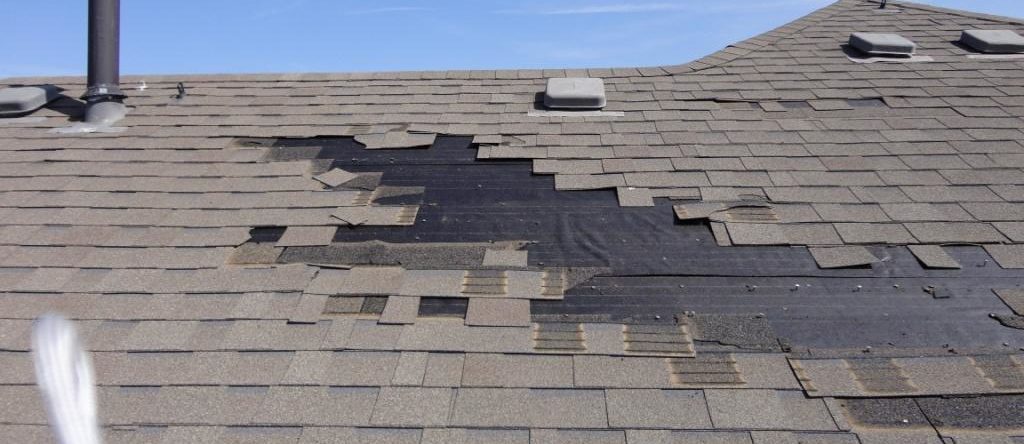
How to determine if roof has damage from high winds
High winds can wreak havoc on your roof, causing damage that may not be immediately visible. Understanding how to assess this damage is crucial for homeowners.
A roof damage assessment helps identify issues like missing shingles or leaks. These problems can lead to costly repairs if not addressed promptly.
After a storm, it’s important to inspect your roof for signs of damage. Look for curled or cracked shingles and debris.
Sometimes, the damage is subtle and requires a professional roof damage assessment. Experts can spot hidden issues that might be missed by an untrained eye.
This guide will help you determine if your roof has suffered wind damage and when to seek professional help.
Summary
High winds can lift shingles, break seals, and drive debris that causes both visible and hidden roof damage. After storms, inspect from the ground and—if safe—the roof for missing or curled shingles, granule loss, flashing issues, debris, and interior water stains, and document everything for insurance. Use the step-by-step assessment and call a professional for significant, unclear, or unsafe conditions. Ongoing maintenance—prompt repairs, trimmed trees, and clear gutters—helps prevent future wind damage.
Why High Winds Cause Roof Damage
High winds pose a serious threat to the structural integrity of roofs. They can create strong upward pressure that lifts shingles, breaking their seals. When shingles are lifted, rainwater can easily seep under them, leading to leaks.
Winds also carry debris, which can strike and damage the roof surface. Even minor impacts can crack or loosen roofing materials, exposing vulnerabilities. Repeated exposure to wind can worsen these damages over time.
Certain roof parts are more susceptible to wind damage. These include:
- Shingles and tiles
- Flashing around chimneys and vents
- Roof edges and corners
It’s crucial to understand these dynamics to protect your home. Regular inspections are essential for maintaining roof health.

Signs Your Roof Has Wind Damage
Identifying signs of wind damage early can save you costly repairs. One visible sign is missing or displaced shingles. These can leave gaps for water to enter, leading to leaks.
Shingles may also curl or crack under the stress of strong winds. This condition weakens their protective role, making them susceptible to further damage. Additionally, observe for granule loss which reduces shingle lifespan.
Inspect your roof for debris accumulation. This might include broken branches or shingles from your or neighboring roofs. Such debris can cause additional harm if left unchecked.
Check gutters and downspouts for shingle granules or other debris. Blockages here indicate potential roof issues that need attention.
In the interior of your home, look for water stains on ceilings. These stains suggest leaks and possible structural damage needing an urgent response.
- Missing shingles
- Curled or cracked shingles
- Granule loss
- Debris on the roof
- Water stains inside
By recognizing these signs, you can take timely actions to protect your roof.

Step-by-Step Roof Damage Assessment After a Storm
Conducting a thorough roof damage assessment after a storm is critical. Start by ensuring your safety first. Assess the environment for any hazards like live wires or unstable ground before proceeding.
Begin with a ground inspection, where you can spot obvious damage. Examine the roof’s perimeter for fallen branches and other debris. This initial visual check can reveal areas needing closer inspection later.
Next, if safely accessible, climb to observe the roof’s surface. Look for any visible signs of damage, such as missing shingles or cracked tiles. Check for dents on metal roofs that could indicate impact damage from flying debris.
After inspecting the roof surface, move to review the flashing. Ensure it’s intact around critical areas such as chimneys and vents. Bent or missing flashing can lead to significant leaks.
In the attic or upper interior spaces, look for water stains. These often indicate leaks that need immediate attention. Moisture here can lead to mold and structural deterioration if not addressed.
Following these checks, compile a list of observations. Document the damage with photos, and note any areas requiring professional evaluation. Knowing what to look for saves time and effort in communicating with insurance companies or repair professionals.
Steps for Ground Inspection:
- Check roof perimeter for debris
- Note any visible roof damage
- Look for displaced or damaged items
Steps for Roof Surface Inspection:
- Safely observe shingles and tiles
- Review flashing around fixtures
- Inspect gutters for debris

When to Call for a Professional Roof Damage Assessment
Knowing when to seek expert help is crucial. While DIY inspections are useful, not all damage is visible. Subtle issues can linger, leading to major problems over time.
If you notice significant damage signs, a professional roof damage assessment is essential. Experts have tools to identify hidden threats. They can spot trouble spots that homeowners might overlook.
Consider the following scenarios to call a professional:
- Large sections of missing or damaged shingles
- Obvious structural issues or sagging
- Water leaks that you cannot pinpoint
Hiring professionals ensures a comprehensive evaluation. Their insights help in submitting accurate insurance claims. An expert assessment gives peace of mind that your home is secure. Make this investment to protect your property.
Documenting Roof Storm Damage for Insurance
Proper documentation is crucial for a successful insurance claim. Begin by thoroughly photographing every sign of damage. Capture wide shots of the entire roof and close-ups of specific issues.
Make a detailed list of damages to include in your claim. Note the date, time, and context of the storm. Mention any visible problems like missing shingles or broken flashing.
When preparing your list, consider including:
- Number and location of missing shingles
- Signs of water penetration or leaks
- Damage to roof accessories, such as vents or gutters

Accurate documentation supports your claim, making it more likely to be processed quickly. Keep copies of everything for future reference.
Preventing Future Wind Damage: Maintenance Tips
Regular maintenance can help protect your roof from high winds. Start by scheduling routine inspections at least twice a year. This proactive step can prevent small issues from turning into major problems during storms.
Consider trimming overhanging tree branches near your roof. Falling branches can cause damage during high winds. Ensure gutters and downspouts are clear of debris to prevent water backup.
For added protection, take the following steps:
- Replace damaged shingles promptly
- Secure loose roofing materials
- Check and repair flashing around chimneys and vents
- Keep ventilation systems in good condition

By following these maintenance tips, you can help extend the lifespan of your roof. Proper care and attention now can save on costly repairs later.
Frequently Asked Questions About Roof Storm Damage Assessment
Homeowners often have questions about roof assessments after storms. Here are some common queries and concise answers to guide you.
1. How quickly should I assess my roof after a storm?
Promptly, ideally within 24 to 48 hours. Quick action can prevent further damage.
2. What signs should I look for?
Look for missing or curled shingles, gutter debris, and water spots in the attic.
3. Should I document the damage?
Yes, take clear photos. Documentation is essential for insurance claims.
4. When should I call a professional?
If you’re unsure about the damage or feel unsafe, contact a roofer.
Maintaining a proactive approach can ensure swift and efficient repairs. Understanding common concerns helps in managing roof assessments effectively.
Conclusion: Protecting Your Home With Timely Roof Assessments
Regular roof assessments are vital in protecting your home from potential damage. Addressing issues early can save you costly repairs.
High winds often compromise roof integrity. Timely inspections ensure your roof remains strong and secure. Stay proactive, and your home will withstand the test of time and weather.
by Tonya Mecum, The Marketing Method CO